Travel as Therapy
Viajar como terapia: cuando cambiar de paisaje también ayuda a ordenar la mente.
Vivimos en una época en la que descansar parece un privilegio.
Responder mensajes fuera del horario laboral, estar siempre disponibles y vivir en piloto automático se ha convertido en algo tan normalizado que muchas personas sienten ansiedad incluso cuando por fin tienen tiempo libre.
En nuestro trabajo como travel planners lo vemos constantemente: incluso después de periodos de descanso, la mente sigue funcionando al mismo ritmo acelerado.
Estrés, agotamiento mental, ansiedad, dificultad para tomar decisiones o procesos emocionales más profundos como el duelo están llevando a muchas personas a buscar algo más que unas vacaciones: buscan una pausa real.
Y aquí surge una pregunta clave: ¿puede viajar ayudar emocionalmente?
La respuesta honesta es sí, pero con matices.
Travel as Therapy: when changing scenery also helps organize the mind
We live in an era where rest often feels like a privilege.
Replying to messages outside working hours, being constantly available, and living on autopilot has become so normalized that many people feel anxious even when they finally have free time.
In our work as travel planners, we see this constantly: even after periods of rest, the mind continues to operate at the same accelerated pace.
Stress, mental exhaustion, anxiety, difficulty making decisions, or deeper emotional processes such as grief are leading many people to seek something more than just a holiday: they are looking for a real pause.
And here a key question arises: can travel help emotionally?
The honest answer is yes, but with nuances.
According to psychologist Luisa Fernanda Rodríguez, during complex emotional processes such as grief, a breakup, or a period of extreme exhaustion, our brain can enter a permanent state of alert. This often translates into higher stress levels, irritability, emotional fatigue, and a feeling of stagnation that makes it difficult to regain a sense of progress.
In this context, changing environments can play an important role. Not because it eliminates pain or automatically solves problems, but because it allows attention to be temporarily shifted toward new stimuli, experiences, and settings. In many cases, the simple act of moving, discovering different places, or stepping out of the space associated with loss helps restore a sense of movement and progress that many people feel they have lost.
Among the most common benefits are:
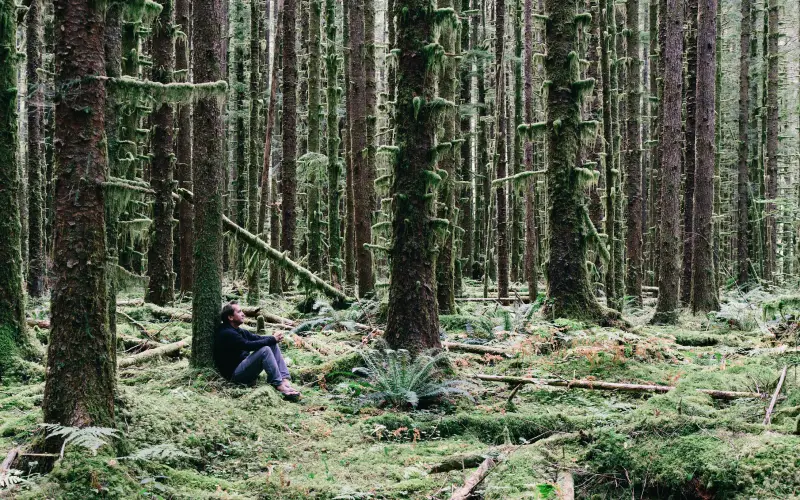
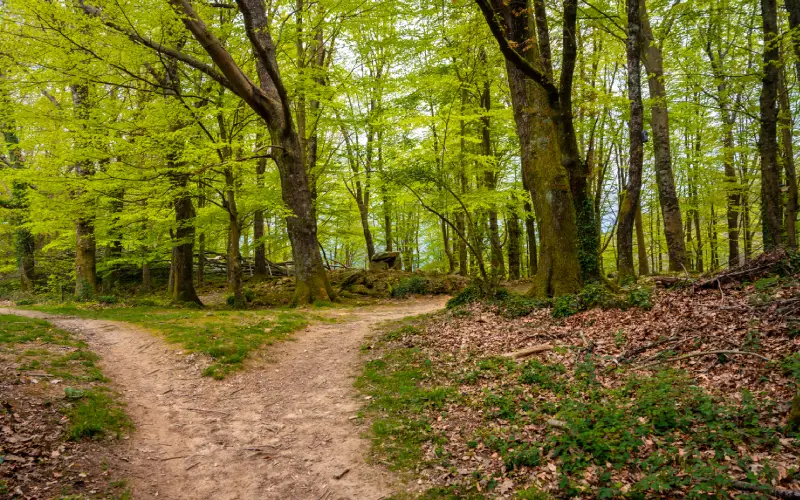
• reduced daily stress
• greater mental clarity
• spaces for introspection
• a sense of personal reconnection
• broader perspective
However, not all trips work in the same way.
Overly fast itineraries, with multiple destinations in just a few days, or overloaded schedules can create the opposite effect: more fatigue, more saturation, and less real rest.
The specialist also highlights the importance of distinguishing between escapism and emotional wellbeing. From her experience, not all people need the same things, and there are no universal timelines for processing loss or navigating a difficult life stage.
Some people need to remain in their usual environment; others feel the need to step away for a few days, weeks, or even longer. What matters is not the duration of the trip, but whether it responds to a genuine need of the person rather than an external expectation.
In a society that often pressures people to “feel better” as quickly as possible, giving yourself permission to pause, reflect, or simply change surroundings can also be part of the recovery process.
That is why concepts such as slow travel or nature-based travel are becoming increasingly relevant, where the pace adapts to the person rather than the other way around.
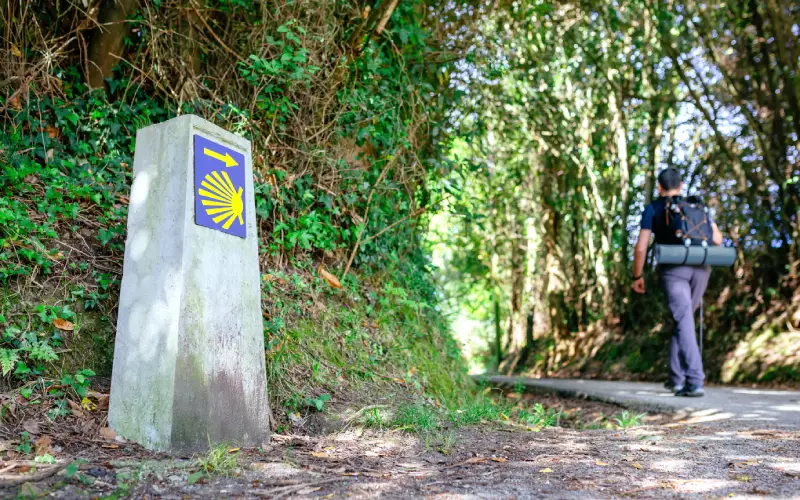
One of the clearest examples is the Camino de Santiago (St. James Way).
Every year, thousands of people walk it after a breakup, a grieving process, burnout, or moments of major life change. They are not looking for magical answers, but for something much simpler: mental silence.
Walking for days, reducing external noise, and moving step by step creates a unique space for introspection that, in many cases, becomes deeply transformative.
A similar experience occurs in nature-based trips or retreats, where the environment allows people to slow down, breathe, and reconnect.
Nature also stands out as one of the most beneficial environments for encouraging this type of conscious pause. According to psychologist Luisa Fernanda Rodríguez, regardless of age or personal profile, contact with natural spaces tends to facilitate greater states of calm, reduce daily overstimulation, and encourage moments of introspection that are much harder to find in the usual rhythm of city life.
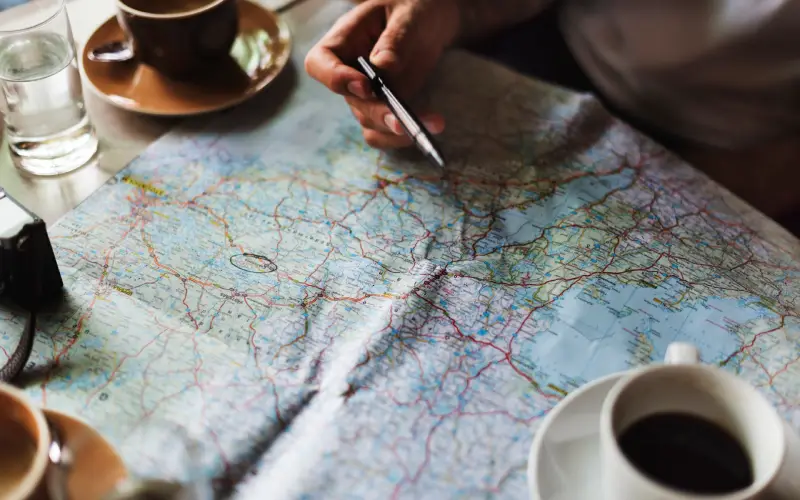
However, there is another key factor that is often overlooked: the design of the trip.
In most traditional models, the traveler adapts to the itinerary. But in sensitive life moments, this can be counterproductive.
In addition, many people arrive at their trip already exhausted from the planning process itself: flights, hotels, connections, constant decision-making, and managing unexpected situations.
This is why a different approach is increasingly emerging: designing trips that adapt to each person’s emotional state, energy levels, and life moment.
Someone going through grief does not need the same type of journey as someone experiencing work-related stress or someone simply seeking reconnection with themselves.
The pace, the activities, the rest periods, and even the level of planning can completely transform the experience.
When a trip is designed from this perspective, it can become more than just a getaway: a conscious pause.
Travel does not cure anxiety, nor does it replace therapy or automatically eliminate pain.
But at the right time, with realistic expectations, and when necessary with the support of mental health professionals, it can become a valuable tool to reduce mental noise, regain perspective, and create spaces for wellbeing.
Sometimes we do not need immediate answers.
Sometimes we simply need to change scenery in order to hear ourselves again.
TRAVEL WITH PURPOSE, TRUE REST
Not all trips need to be rushed, and not all destinations need to be experienced in the same way.
If you are looking for a real pause, a journey that adapts to your current life moment, and an experience designed around your needs, at Vrn-e Travel Planners we create tailor-made itineraries where the trip adapts to the person.
Because sometimes, changing destination also helps change perspective.
You can watch the full responses from psychologist Luisa Fernanda Rodríguez at the following link:
👉 You can watch the full video here and follow her Instagram here